
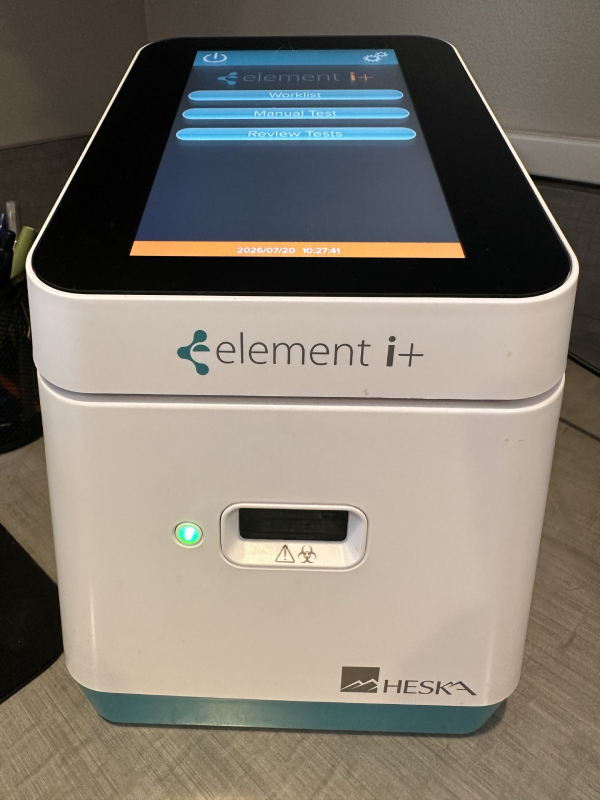
At Cascade Heights Veterinary Center, we believe one of the best ways to help pets live longer, healthier lives is to identify disease before it causes obvious symptoms. Many conditions—including kidney disease, liver disease, diabetes, thyroid disorders, heartworm disease, intestinal parasites, and even some cancers—can be detected much earlier through routine preventive screening than by physical examination alone.
We recommend individualized screening plans based on your pet’s age, breed, lifestyle, and risk factors, which may include wellness blood work, urinalysis, fecal testing, infectious disease screening, blood pressure monitoring, and other advanced diagnostics.
As part of our commitment to early detection, we are proud to offer the Nu.Q® Canine Cancer Screening Test. The Nu.Q® test is a simple blood test designed to help detect cancer-associated changes before clinical signs develop.
While it is not a replacement for traditional diagnostics or a definitive cancer diagnosis, it can be an invaluable screening tool for dogs—particularly seniors and breeds at increased risk for cancer. If a screening test identifies an abnormality, we work closely with you to develop a thoughtful diagnostic and treatment plan tailored to your pet’s needs.
At Cascade Heights Veterinary Center, our goal is to provide proactive, personalized care that helps your pet enjoy the best quality of life for years to come. Early detection gives us more treatment options, allows us to intervene sooner, and often leads to better outcomes for both pets and their families.
FAQs
1. Why does my healthy pet need preventive screening if they seem fine?
Many diseases develop gradually and don’t cause obvious symptoms until they are advanced. Preventive screening allows us to identify problems such as kidney disease, liver disease, diabetes, thyroid disorders, heart disease, and certain infections before your pet appears sick. Detecting these conditions early often means more treatment options, lower long-term costs, and a better quality of life for your pet.
2. What tests are included in preventive wellness screening?
The right screening tests depend on your pet’s age, breed, and lifestyle, but may include a complete blood count (CBC), blood chemistry panel, urinalysis, fecal parasite testing, heartworm and tick-borne disease screening, blood pressure measurement, and other diagnostics as recommended by your veterinarian. At Cascade Heights Veterinary Center, we tailor each screening plan to your pet’s individual needs rather than taking a one-size-fits-all approach.
3. How often should my dog or cat have preventive screening?
Most healthy adult pets benefit from annual preventive screening. Senior pets (typically over 7 years of age) or pets with chronic medical conditions often benefit from screening every six months because their health can change more quickly. During your pet’s wellness exam, we’ll recommend a schedule based on their age, health history, and risk factors.
4. What is the Nu.Q® Canine Cancer Screening Test?
The Nu.Q® Canine Cancer Screening Test is a simple blood test that helps identify dogs that may have cancer-associated changes, often before obvious clinical signs develop. It is designed as a screening tool—not a definitive cancer diagnosis. If the test identifies an abnormal result, we’ll recommend additional diagnostics to determine whether cancer or another medical condition is present. Nu.Q® can be particularly valuable for senior dogs and breeds with a higher risk of developing cancer.
5. Is preventive screening worth the cost?
In many cases, yes. Preventive screening frequently identifies medical conditions before pets become seriously ill, allowing treatment to begin sooner. Early diagnosis can improve outcomes, reduce the likelihood of emergency visits, and help avoid more extensive—and often more expensive—treatments later. At Cascade Heights Veterinary Center, we believe preventive care is one of the best investments you can make in your pet’s lifelong health.